Powered By Blogger
Showing posts with label Food. Show all posts

Friday, 14 July 2017

Should You Follow the Ketogenic Diet?


The ketogenic diet may be on the rise as far as diet trends go, but the concept isn't new. First identified as a beneficial treatment for epilepsy, the high-fat, very-low-carbohydrate approach has been around for close to 100 years. Recently, the diet has become popular among athletes (LeBron James tried it) and those looking for the next weight-loss cure-all. Followers eat foods like butter, oils, fatty meats and cheese. Proponents claim it can lower cholesterol and improve athletic performance, but before you go "keto," here's a look at the science behind the popular diet.

Ketogenic Diet Basics

The keto diet requires the body to rely mostly on fat for energy, rather than the usual carbohydrates (see Carbohydrates vs. Fat for Fuel below). When carb intake is very low, ketones—products of fat breakdown in the liver—must fuel the body. According to John Hawley, Ph.D., director of the Centre for Exercise and Nutrition at Mary MacKillop Institute for Health Research in Melbourne, Australia, there is no global definition of the ketogenic diet. In other words, no standard exists for how many grams of carbohydrate, fat, or protein should be consumed when following the diet.

Most research around the diet has identified a carbohydrate intake between 25 and 50 grams per day, which is equivalent to two medium apples or one cup of cooked brown rice. This extreme reduction in carbohydrate is very difficult to maintain long-term and makes it impossible to meet the recommended amount of fruit, vegetable and whole-grain servings recommended for a healthy diet. According to the Dietary Guidelines for Americans, carbohydrates should make up 45 to 60 percent of daily calories, or 130 grams/day, for most people to eat a balanced diet and get necessary nutrients.

For epilepsy patients, ketogenic diets are administered in a clinical setting and require a team of dietitians and doctors to ensure that patients receive the correct daily levels of nutrients—and they're still extremely hard to follow.

Don't Miss: 30 Healthy Low-Carb Foods to Eat

Ketogenic Diet & Weight Loss

Beyond the low intake of carbohydrates, another key element of the diet is the extremely high intake of dietary fat. By consuming the majority of calories from fat, and severely limiting carbohydrate, the body remains in a state of ketosis (relying mostly on ketones for energy).

Short-term weight loss will occur naturally, mostly because of water weight you lose. Your body will deplete its glycogen stores (regular energy reserves from carbohydrate breakdown) and the water that is stored with them. While many people lose weight quickly, it's water weight, not true weight loss. In most cases, the weight will return when the dietary pattern again includes a larger percentage of carbohydrates. For that reason, the ketogenic diet probably won't help with long-term weight loss.

Athletes and a High-Fat Diet

The ketogenic diet is often promoted among athletes as a way to increase fat metabolism, and it does. "If you eat a high-fat, low-carbohydrate diet then your muscles will oxidize more fat during exercise," says Hawley. But, he points out, that argument misses an important point: "Carbohydrates set the limit to how fast or far you can go as an athlete, not fat." In other words, your body's ability to use fat as an energy source is not important when it comes to athletic performance lasting up to three hours. Some studies have even shown a detrimental effect on performance in those following a ketogenic diet, likely due to the increased oxygen needed when your body has to rely on fat for energy.

Some argue that since athletes can eat whatever they want, the high-fat intake won't have negative consequences, but, according to Hawley, that just isn't the case. "You're an athlete for one or at most two hours a day, not for the remaining 22 hours per day," he explains. Research has shown that diets high in dietary fat, especially saturated fat, can have negative, long-term health implications such as increasing the risk for cardiovascular disease, insulin resistance and type 2 diabetes. It's important to include some fats in the diet, though (the Dietary Guidelines recommend 20 to 35 percent of daily calories from fats, particularly poly- and monounsaturated), to aid in the absorption of fat-soluble vitamins and other crucial body processes.

Carbohydrates vs. Fat for Fuel

If you want to talk about the best way to eat to fuel your body, we need to go back to biology class. Carbohydrates are our body's primary energy source. When we eat carbs, they are digested into individual molecules called glucose, which our cells use as energy. Glucose that isn't used for energy is then stored in the form of glycogen in the muscles and liver—and any excess is stored as fat. Meaning if you eat a bowl of spaghetti, you'll use a certain amount as energy (even when you're resting, your body needs energy to breathe, pump blood, etc.), you'll store some as glycogen and then if there's any left over it will be stored as fat.

Basal metabolism (the energy needed to sustain your body at rest) requires a mixture of carbohydrates and fats for use as energy. During periods of prolonged aerobic activity, like running or swimming, the body shifts its fuel source and pulls mostly from glycogen stores to sustain activity. However, the amount of glycogen you can store in your muscles is limited and once depleted, carbohydrates must be consumed to replace what has been used. It's why marathon runners take in food and calories over the course of the marathon.

When your body doesn't have access to carbohydrates, it will turn to alternate sources—fat or protein. Fat stores provide significantly more calories, or energy, than glycogen stores and at lower intensities of activity the body mostly relies on its fat for energy (think walking on the treadmill rather than running). However, the process of turning fat into energy requires additional metabolic steps which, in turn, use more oxygen. When fat is broken down, ketones are formed and used as an alternate fuel source. In a continued absence of carbohydrate, ketones become abundant in the bloodstream and the body enters a state of ketosis. The same process is seen during fasting or starvation, but neither is very pleasant nor sustainable long-term. If you have diabetes, you should talk to your healthcare provider about ketoacidosis, a serious condition when blood ketones get too high.

Environmental Impact

Personal, physical health is the focus of most popular diets and many don't draw connections between the diet and potential environmental impacts. Sustainability is important to consider, though. Nicole Tichenor, Ph.D., a postdoctoral research fellow at the University of New Hampshire's Sustainability Institute, researches the environmental impact of diets. She explains that healthy diets that are lower in animal-based foods and higher in plant-based foods have lower environmental impacts, including carbon footprint, land use and water use. The ketogenic diet, by principle, doesn't follow this pattern. Tichenor's take: "the Dietary Guidelines Advisory Committee's working definition of a sustainable diet is one that promotes health and well-being, provides food security for the current population, and sustains human and natural resources for future generations. It would be very difficult, if not impossible, to eat a sustainable diet without beans/legumes, whole grains or root vegetables."

Bottom Line

The ketogenic diet is extremely difficult to follow and very restrictive. You need to severely limit healthy whole grains, fruits and vegetables, which means you would miss out on a lot of important nutrients. While the ketogenic diet has its place in clinical settings, the diet doesn't translate to the general population and, in fact, may have long-term negative impact on people choosing to follow such an extreme way of eating.

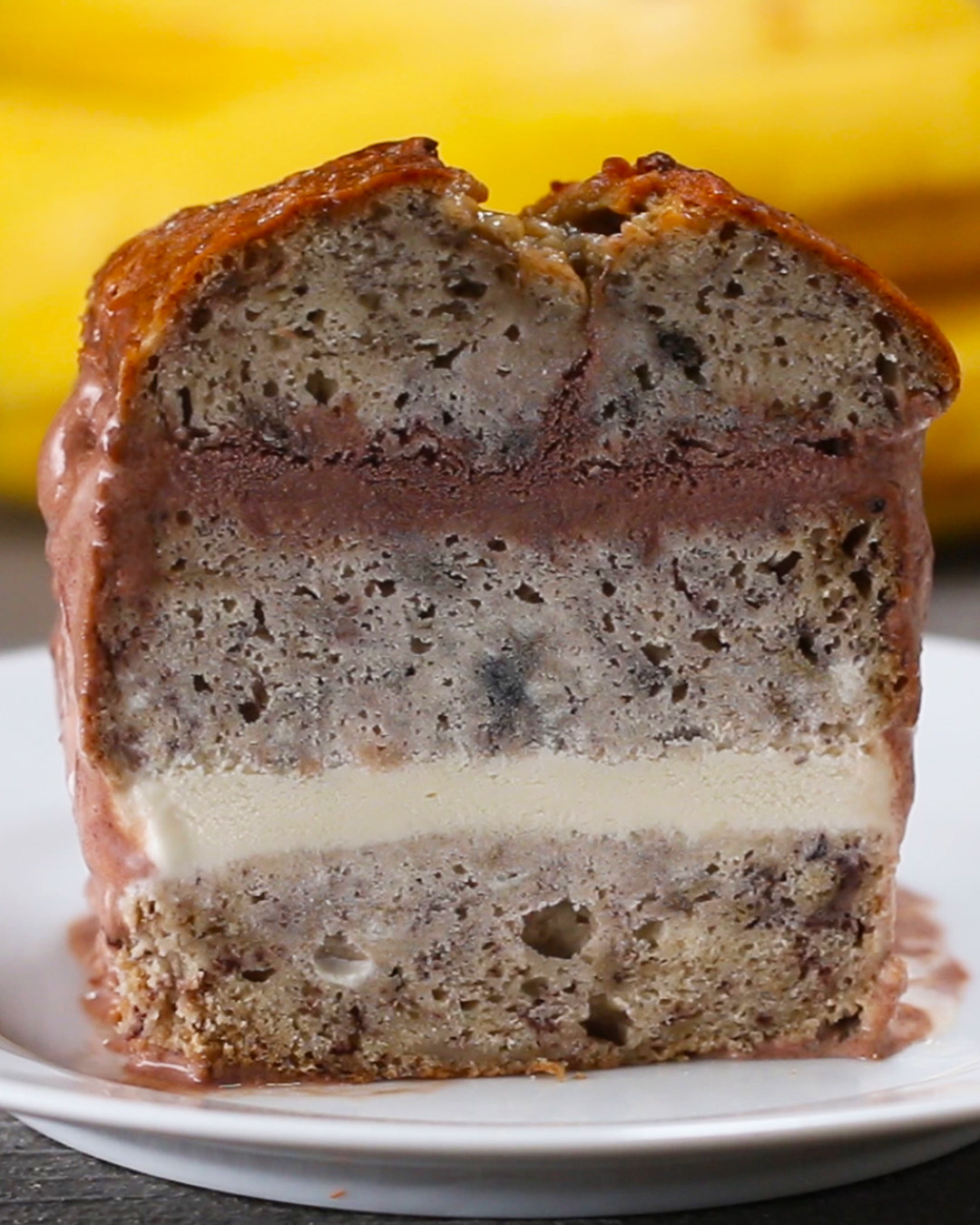
Stop What You're Doing And Make This Banana Bread Ice Cream Cake Right Now


Your life will change FOREVER.

Banana Bread Ice Cream Cake


INGREDIENTS

3 bananas

¼ cup butter, melted

1 egg

½ cup sugar

1 teaspoon vanilla

1 ½ cups flour

1 teaspoon baking soda

Pinch of salt

2 cups vanilla Ice cream, softened

2 cups chocolate ice cream, softened

PREPARATION

1. Preheat the oven to 350°F (180°C).

2. In a bowl, mash the bananas with a fork.

3. Add in the melted butter, egg, sugar, and vanilla, and mix until combined.

4. Add in the flour, baking soda, and salt, and mix again until just combined.

5. Pour the batter into a loaf pan and bake for 50 minutes, or until cooked through.

6. Once cool, take the banana bread out of the pan and slice into three horizontal layers, widthwise.

7. Line the loaf pan with plastic wrap and place the bottom layer of bread in the pan.

8. Top the bread with the softened vanilla ice cream and spread evenly with a spoon.

9. Place the middle layer of bread on top of the vanilla ice cream.

10. Top the middle layer with chocolate ice cream and spread evenly with a spoon.

11. Place the top of the banana bread on top and cover with the plastic wrap.

12. Freeze for one hour or or overnight.

13. Slice and serve.

14. Enjoy!

Thursday, 13 July 2017

How Many Eggs Are Safe To Eat Per Day?


eggs

Natural eggs from chickens for sale at a farmers' market in Annandale, Virginia, August 8, 2013.Photo: PAUL J. RICHARDS/AFP/Getty Images


How many eggs are safe to incorporate into a diet has been a point of contention among medical experts for years, but research showed the benefits of eating eggs may outweigh the possible risks.

Some medical professionals claimed eating eggs will shorten one's lifespan because of their cholesterol content, while others hailed the health benefits of eating eggs because of the variety of nutrients they provide.

“For the average person, two eggs daily is totally fine,” Keri Gans, R.D., author of "The Small Change Diet," said.


Research showed people who ate three eggs per day while on a weight loss diet achieved significant results.

Egg yolks have been proven to contain 90 percent of calcium, iron, phosphorus, zinc, thiamin, B6, folate, pantothenic acid and B12 of the egg. The yolk holds fat-soluble ingredients like vitamins A, D and E. For most people, eggs will not increase cholesterol or risk of heart disease.

While eggs are high in dietary cholesterol, they are low in saturated fat, which is actually a bigger factor in raising blood cholesterol levels, according to the 2015-2020 Dietary Guidelines for Americans. A medium egg contains around 100 mg of cholesterol, which is one-third of the 300 mg recommended daily limit.

breakfast

Eggs, cheeses, salad, orange juice, coffee and fresh baked bread at Aroma espresso bar on March 11, 2008 in the central Israeli town of Hod Hasharon.Photo: David Silverman/Getty Images

Another benefit provided by eggs is their major protein content — one large whole egg contains 6.3 grams of protein. Eating eggs has been proven to give humans complete protein, which provides all the amino acids needed for survival. One whole egg provides 20 percent of the recommended daily protein intake for women and 17 percent for men.

People who have diabetes, high cholesterol or heart disease should limit their consumption of eggs as they should limit their cholesterol intake to 200 mg per day.

To include eggs in the average diet, they must be balanced with other nutrient-rich foods, such as fruits and vegetables. The way eggs are prepared is a huge part of how they affect the body — limiting use of oil when making eggs and including egg whites in preparations are some ways to ensure their health benefits outweigh their possible risks

Wednesday, 12 July 2017

Lose Your Weight Quickly With These Two Effective Ingredients


This recipe that we are talking about here is known to melt away that stubborn fat! Just two of the ingredients can work wonders on your body like never before.

Most of the people want to get slimmer without any special effort or diet, and what if we tell you that there is a method to actually lose weight without putting any special effort as such?

You just need to prepare this miraculous recipe for this purpose.


You need to have a simple understanding of the process that our body goes through, when dropping the pounds. Fat is just stored energy and calories are the unit that is used to measure the potential energy in fats, carbs and proteins.

The body will convert the fat to usable energy through a series of chemical processes and the excess energy, which is the calories, will be stored away.

To lose weight, you need to expend more energy or calories than you take in. When you're using more than you take in, your body draws on stored fat to convert it to energy.

It does not disappear, but simply changes its form. Read on to find out about the best natural remedy to lose weight using only 2 ingredients.

Ingredients Required:
1 spoon of cinnamon
2 spoons of honey

Preparation:
Add a spoon of cinnamon in about 250 ml of hot water. Let it cool down a bit and then add two spoons of honey to it.

Wait for the drink to cool down completely, before you add honey to it. This helps in keeping its health benefits intact. You can have this every morning and aim for light exercises. Over a period of time, you would certainly notice a good change in your body.

So, what are you waiting for? Try it today!

Report a problem.

Sunday, 9 July 2017

Healthy Breakfasts To Start Your Morning Off Right


Strawberry Granola Cupcakes

It's the most important meal of the day—make it count. Need to make a healthy dinner, too? Try these lightened up comfort foods.

Cauliflower Breakfast Pizza

A loaded low-carb breakfast pizza for all you cauliflower fanatics. Get the recipe from Delish.

Bunless Bacon, Egg & Cheese

So good you won't miss the bread! Get the recipe from Delish.

Pepper Egg-in-a-Hole

The cutest eggs we ever did see! Get the recipe from Delish.

Cauliflower Breakfast Muffins

You won't miss the carbs when there's ham and cheese involved. Get the recipe from Delish.

Ham Egg & Cheese Roll-Ups

Who needs a tortilla when you have ham? Get the recipe from Delish.

Piña Colada Smoothie Bowls

Tastes as good as it looks! Get the recipe from Delish.

Blueberry Slow-Cooker Oatmeal

Make this genius recipe the night before you're ready to serve it for a no-fuss, crowd-pleasing breakfast. Get the recipe from Delish.

Guacamole Toast

This ain't your average avocado toast. Get the recipe from Delish.

Avocado Egg-In-A-Hole

Avocado makes everything better. Get the recipe from Delish.

Ham & Cheese Egg Cups

Breakfast in a bite! Get the recipe from Delish.

Cinnamon Oat Scones with Maple Glaze

Your breakfast needs these healthy, sugar-free scones. Get the recipe from Delish.

Cauliflower Toast

This cauli toast is the best thing since, well, real sliced bread. Get the recipe from Delish.

Breakfast Bacon and Egg Salad

Bacon vinaigrette + yolk = the most satisfying salad you'll ever eat. Get the recipe from Delish.

Hash Brown Cups

Break out the muffin tin for a full on-the-go, low-carb breakfast. Get the recipe from Delish.

Sweet Potato Toast

Yes! It's possible to toast sweet potatoes in the toaster. Get the recipe from Delish.

Granola Cups

These crunchy granola cups let you eat your morning yogurt spoon-free. Get the recipe from Delish.

Avocado Cauliflower Toast

You're going to want to replace all toast with this delicious, carb-free cauliflower version. Get the recipe from Delish.

Greek Yogurt Pancakes

These are pancakes with protein in them. Enough said. Get the recipe from Delish.

Breakfast Banana Split

Sundaes for breakfast is the only reason you need to wake up tomorrow. Get the recipe from Delish.

Breakfast Baked Apples

We always prefer bowls we can eat. Get the recipe from Delish.

Oatmeal with Cranberries and Pistachios

Skip the sugary toppings and add dried fruit and nuts to your oatmeal. Get the recipe from Delish.

PB&J Oatmeal

Add protein to your oatmeal with peanut butter. Get the recipe from Delish.

Baked Egg Avocado Boats

Avocado boats are the new toast. Get the recipe from Delish.

Tropical Oatmeal with Coconut and Mango

Cooking the oatmeal in coconut milk gives this bowl a subtly sweet flavor and extra-creamy texture. Get the recipe from Delish.

Homemade Granola

This is the only granola recipe you'll ever need. And it's stupid easy. Get the recipe from Delish.

Basic Healthy Muffins

Don't worry, your muffin habit doesn't have to die. Get the recipe from Delish.

Whole-Wheat Waffles

As if you would have actually considered giving up waffles. Get the recipe from Delish.

Slow-Cooked Steel-Cut Oatmeal

Cook it overnight, sleep in in the morning. Get the recipe from Delish.

Broccoli Frittata

It's less boring than a regular omelet. Get the recipe from Delish.

Flax-Coconut Pancakes

Mix ground flaxseed into your pancakes for an added health boost. Get the recipe from Delish.

Healthier Hearty Omelet

It has everything in it, but half the calories. Get the recipe from Delish.

Morning Glory Muffins

It's always a glorious morning when muffins are involved. Get the recipe from Delish.

Oat and Almond Breakfast Bars

On-the-go breakfasts just got a little bit healthier. Get the recipe from Delish.

Healthy French Toast

The best part: You can still serve it with maple syrup, which is naturally fat-free. Get the recipe from Delish.

Chocolate Chip Greek Yogurt Pancakes

BRB, setting my alarm for an ungodly early hour. Get the recipe from Live Well Bake Often.

Kale Feta Egg Toast

And you thought you had to wait until lunch to break out the kale. Get the recipe from Well Plated.

Cinnamon Apple Overnight Oats

Don't have time to wait for oatmeal to cook in the morning? Us either. Get the recipe from Tastes Better From Scratch.

Banana Oat Baked French Toast

French toast was everything oatmeal was missing. Get the recipe from Running With Spoons.

Breakfast Stuffed Peppers

These would also make an amaze brinner. Get the recipe from The Recipe Rebel.

Report a problem.

Breakfast Recipes That Take 5 Minutes So You Can Do Your Hair for Once

Whether it’s because you take forever to get dressed, are scrambling after an a.m. workout, or just really like the snooze button, making time to eat a well-rounded breakfast on weekdays can be a serious challenge. Who’s got a half-hour—or even 15 minutes—to stir up a pot of oats or whip up omelets?

But a quick bite before work doesn’t need to mean a bowl of cereal that will only leave you hungry an hour later or a way-too-greasy bagel sandwich from the corner deli. Check out these seven ideas for filling, tasty, and seriously quick breakfasts that take up just five minutes or less.

Photo: Everyday Easy Eats

You do need to set aside the five minutes to make this breakfast the night before you actually eat it, but that just means you save even more time in the morning. Give the honey, oats, milk, and banana enough time to hang out while you’re asleep, so that you’ve got a sweet, chewy bowl to enjoy chilled or warmed up when the sun—and you—rise.

Photo: The Glowing Fridge

There’s a reason avocado toast is so freakin' popular—it’s loaded with healthy fats , it’s delicious, and it’s quick. This recipe is also super customizable; use any bread you like and keep it simple with the blogger’s version of hemp seeds and cucumber, or go nuts with additional veggies or drizzles of hot sauce.

Photo: Julie's Eats and Treats

Keep cool on even busier days with this chilled fruit and yogurt bowl. It’s a quicker, deconstructed parfait, and with flaxseeds and chia seeds adding healthy fats, it’s both light and filling at the same time.

Photo: Healthy Sweet Eats

Fruit and yogurt parfaits are refreshing, but there’s nothing like a hot meal to comfort you before a hectic day ahead—especially one that tastes like dessert. With zero added sugar, healthy fats from the pecans, and a dollop of yogurt to complement the gooey microwaved apples, this bowl is the breakfast equivalent of a warm hug.

Photo: Macheesmo

Crammed with protein from the black beans, egg, and spinach, this sandwich takes just five minutes to make but will keep you full for hours. We’re into math like that.

Photo: Cook Eat Paleo

When it comes to eating Paleo, planning meals in advance is all the more important. Make breakfast a no-brainer with this four-ingredient bowl. It looks and tastes like oatmeal, but it’s actually a fluffy concoction of mashed banana, almond flour, and shredded coconut. You won’t miss the grains at all!

Photo: Where the Cookies Are

Microwaved meals-in-mugs can be lifesavers when you’re in a pinch but don’t want to resort to buying breakfast outside. This one goes above and beyond where saving time is concerned, nuked and ready to go in just two minutes. We recommend throwing some spinach in there to get a quick fix of veggies too.

Source: greatist.com